

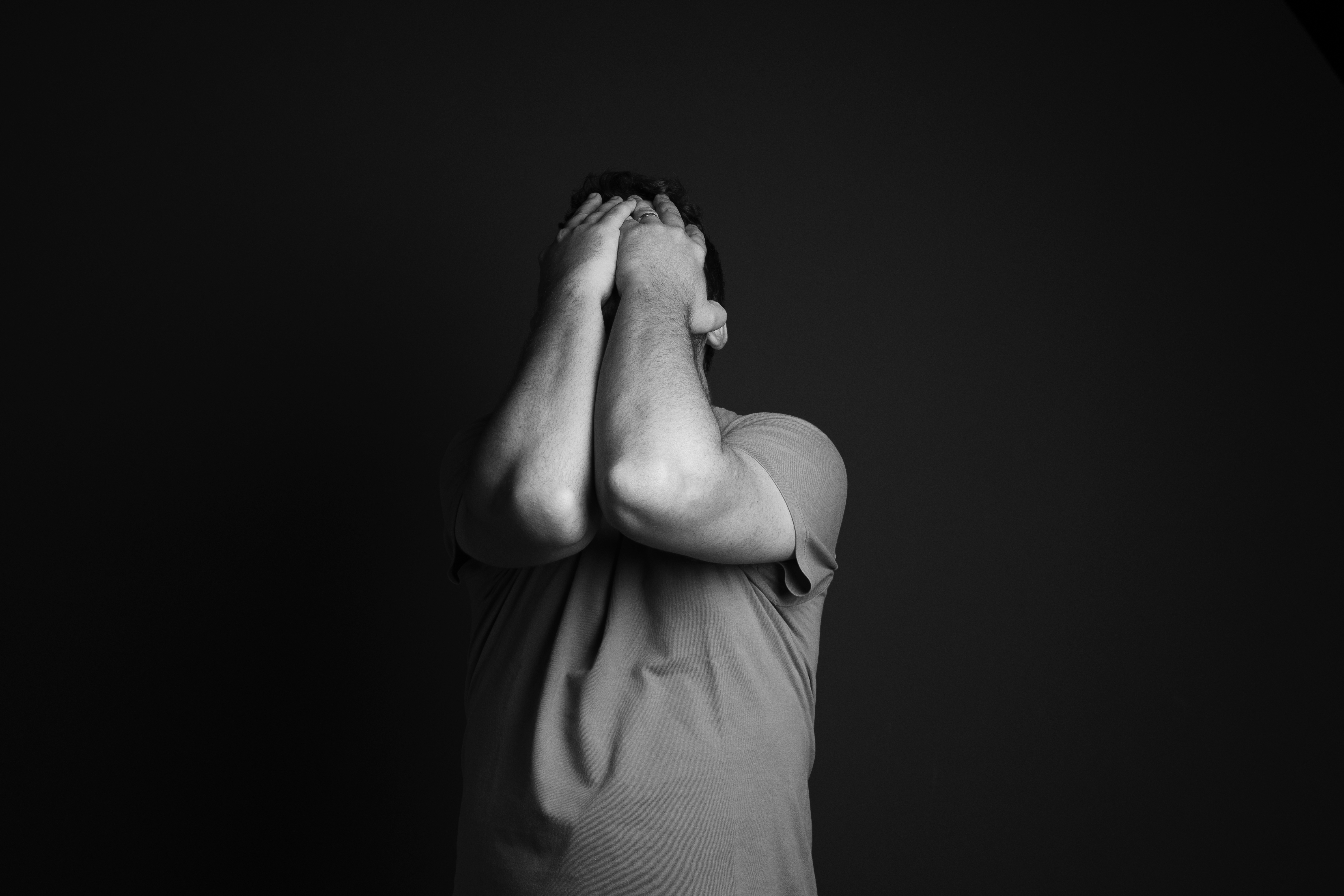
Anxiety can show up in many ways. Racing thoughts. Tight chest. Restlessness. Irritability. Trouble sleeping. For some people it comes and goes. For others, it affects work, relationships, and everyday life.
Medical cannabis is often discussed as an option for anxiety, but the experience is not the same for everyone. Some patients report feeling calmer. Others feel more anxious. especially with higher-THC products or if they’re sensitive to psychoactive effects. That’s why a clinician-guided approach matters. The goal is not to “knock you out” or mask symptoms. It’s to understand your situation and reduce risk.
Anxiety Isn’t One-Size-Fits-All
“Anxiety” is a broad term. Two people can use the same word and mean very different experiences.
Some people describe ongoing, generalized worry that never fully turns off. Others have sudden spikes of panic symptoms like shortness of breath, shaking, or a sense of dread. Some feel anxious primarily in social situations. Others feel it most at night, when the day quiets down and their mind speeds up.
Anxiety can also be a signal that something else needs attention, like sleep deprivation, chronic stress, medication side effects, thyroid issues, or unresolved trauma. If anxiety is severe, worsening rapidly, or comes with thoughts of self-harm or feeling unsafe, seek immediate support from local emergency resources or a qualified mental health professional.
Why Some People Consider Medical Cannabis for Anxiety
People usually explore cannabis for anxiety for one of two reasons.
First, they want relief from the “wired” feeling, tension, racing thoughts, and nervous system hyperarousal. Second, they want help with the side effects anxiety creates, like insomnia, appetite disruption, nausea, or difficulty unwinding at the end of the day.
In some cases, cannabis may help a patient feel less tense or more able to settle. In other cases, it can backfire. This is especially true when dosing is too high, the product is stronger than expected, or the person already has a tendency toward panic.
A safe plan starts with honesty: if you’ve ever felt paranoid or panicky with cannabis in the past, that’s important information. It doesn’t mean “never,” but it does mean “be careful.”
THC vs CBD for Anxiety
One of the biggest reasons people have inconsistent experiences with cannabis and anxiety is that not all products affect the body the same way.
CBD (often better tolerated)
CBD is often described as “less intense” because it isn’t intoxicating in the way THC is. Some people feel that CBD supports a calmer baseline, especially when anxiety is paired with stress and poor sleep. Others feel very little.
CBD is not a guaranteed anxiety solution. But for many patients, it’s a gentler starting point, especially if they’re cautious about feeling impaired.
THC (dose matters)
THC is where anxiety can become unpredictable. At low doses, some people feel calmer, more relaxed, and less reactive. At higher doses, THC can increase heart rate, intensify thoughts, and trigger anxiety or panic in some people.
This is why “stronger” is not better for anxiety. If THC is part of a plan, dosing needs to be conservative and intentional.
Ratios and personalization
Many patients do best with a balanced approach that considers THC:CBD ratio, timing, and sensitivity. The right plan depends on your symptoms, your past experience, and your goals, whether that’s sleep, stress response, physical tension, or nighttime racing thoughts.
What the Evidence Says
Research on cannabis and anxiety is evolving, and results vary widely. Part of the challenge is that “cannabis” is not one thing. Products differ in THC/CBD levels, terpene profiles, potency, and consistency. People also respond differently based on physiology, mental health history, and tolerance.
A fair summary is this: some patients report meaningful anxiety relief with carefully selected products and low doses. Others experience worsening anxiety, especially with higher THC, inconsistent dosing, or frequent heavy use.
That’s why a medical conversation matters. You’re not just choosing a product. You’re choosing an approach.
Choosing a Product Type and Timing
Different formats can create very different experiences, especially for anxiety.
Some products come on quickly and fade sooner. Others take longer to kick in but last longer. That matters when you’re trying to avoid feeling too intense, too sleepy, or too impaired at the wrong time.
Edibles and oral products can feel stronger than expected and take longer to peak, which can increase the risk of overdoing it. Tinctures may feel easier to adjust for some people. Faster-onset options may feel more predictable to some patients, but inhaled products can irritate the lungs. As a general health principle, avoiding smoke exposure is the safer choice.
Microdosing basics
If anxiety is your concern, a low-dose approach is usually the safest starting point.
A calm, patient-friendly method:
- Start low and go slow
- Wait long enough before taking more
- Make one change at a time
Track what you notice (anxiety, sleep, heart rate, mood, focus, side effects)
If your anxiety increases after use, don’t push through it. Pause, reset, and talk with a clinician about adjusting the plan.
Safety, Side Effects, and Interactions
Medical cannabis can cause side effects, especially when dosing is too high or the product is stronger than expected.
Common side effects include dry mouth, dizziness, sedation, impaired coordination, increased heart rate, or feeling mentally “foggy.” Some people experience anxiety, panic, or paranoia, most often with higher-THC products.
Cannabis can also interact with other substances that affect the nervous system. Alcohol and sedating medications can compound impairment and increase risk.
Higher-caution groups
Medical cannabis may not be appropriate, or may require extra caution, if you’re pregnant or breastfeeding, have serious heart conditions, or have a personal or family history of psychosis or severe psychiatric instability. Teens and young adults also require special caution due to developing brains and mental health vulnerability.
Dependence and tolerance
Some people begin using cannabis frequently for anxiety and then find they need more over time to get the same effect. Others notice irritability or sleep disruption when they stop suddenly. This doesn’t happen to everyone, but it’s a real risk with frequent use.
If cannabis becomes the only coping tool, that’s a sign to reassess the plan and add other supports.
Driving and workplace safety
Do not drive or operate machinery while impaired. Even if you “feel okay,” reaction time and judgment can still be affected.
Practical Anxiety Support Alongside Cannabis
Cannabis should not be the whole plan. For anxiety, it tends to work best when it’s one tool in a broader approach.
Start with the basics that stabilize the nervous system: consistent sleep timing, hydration, and reducing late-day caffeine. Add small downshifting habits like breathing exercises, short walks, stretching, or a wind-down routine that signals safety to your body.
If anxiety is persistent or disruptive, professional mental health support can be life-changing. Cannabis may support the process for some people, but it’s not a replacement for therapy, skill-building, or addressing root causes.
Can Anxiety Qualify for a Medical Marijuana Card?
Qualification depends on your state’s medical program and how your symptoms relate to state guidelines. In many cases, the state’s qualifying categories are specific, and “anxiety” may be handled differently depending on the state and the clinical context.
That’s why a professional evaluation matters. A licensed clinician can review your symptoms and history and determine whether you qualify under applicable rules.
State Compliance: Florida and Pennsylvania
Medical cannabis rules are state-specific. Qualification is not based solely on a symptom like anxiety, but on whether you meet your state’s program requirements and whether a licensed clinician determines medical cannabis may be appropriate under state guidelines.
In Florida, patients are evaluated by a qualified physician who determines eligibility under Florida requirements. Ongoing access depends on staying current with required renewals and state steps.
In Pennsylvania, patients register with the state program and must be certified by an approved practitioner for a state-recognized serious medical condition. Patients also complete required state steps to keep their card active and renew on schedule to avoid lapses.
Verileaf is currently live in Florida and Pennsylvania. We provide professional medical evaluations and, when appropriate, recommendations based on what you share in your consultation and the rules that apply in your state. We do not issue prescriptions, and we do not sell cannabis products.
How Verileaf Helps
Verileaf was created to offer high-quality, compassionate care tailored to each patient’s needs, with a mission to support fast healing and a better quality of life.
Our process is simple:
Create Your Profile → Meet Your Doctor → Get Certified
Evaluations are conducted by fully licensed, state-certified medical marijuana doctors, with certified physicians and nurse practitioners on our team, licensed in their respective states. We do not issue prescriptions. If you qualify, your clinician provides a recommendation based on your consultation and applicable state rules.
If you need help at any point, our team offers 24/7 support, and you can chat live with our Online Cannabis Agents or email us anytime. Many patients can complete an evaluation in about 10 minutes, and we offer a money-back guarantee if you’re not approved.
Care Pass includes one licensed provider session, access to the Verileaf community platform, a Cannabis 101 Starter Pack, and an exclusive downloadable PDF e-book. Renewals are available too, with Care Pass renewal rates starting from $89. We also proudly offer 20% off for U.S. veterans (military ID required).
Get My Med Card Now
Renew My Med Card
For all inquiries, you can reach us at contact@buymedcard.com.
