

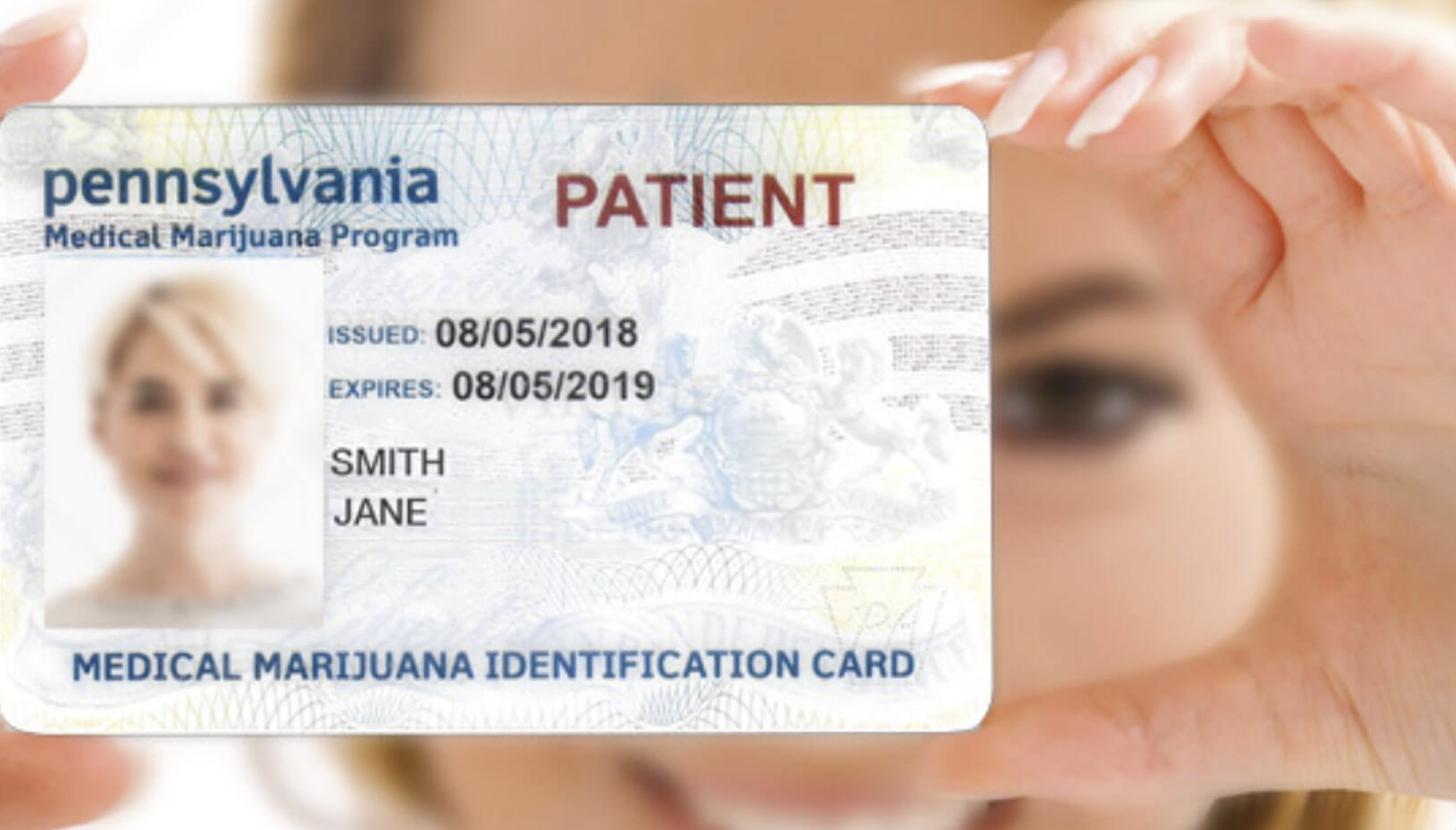
If you’re new to medical cannabis (or you’re renewing after a break), it’s normal to wonder what the card actually looks like. Most people expect something dramatic—or something that looks like a special permit.
In reality, a medical marijuana card usually looks a lot like a standard state ID.
This article is for general education. Medical marijuana programs are state-run, and card formats can change over time. If you’re unsure what your state issues (or what your dispensary accepts), it’s always smart to confirm with your state program and the dispensary you plan to visit.
If you’re ready to start your evaluation, you can Get My Med Card Now. If you already have a card and need to stay active, choose Renew My Med Card.
Medical marijuana card usually looks like an ID card
Most medical marijuana cards are wallet-sized and designed to be easy to check at a dispensary. Think “driver’s license style,” not a letter or certificate.
Depending on your state, your card may be:
- A physical plastic card mailed to you
- A printable paper card (sometimes used temporarily)
- A digital card or PDF (available in some states)
Even when the format changes, the purpose stays the same: the card identifies you as an active patient (or caregiver) in a state medical marijuana program.
What information is usually printed on the card?
While every state designs its card a little differently, most include the same core details. These details help dispensaries confirm the card belongs to you and that it’s still valid.
What you’ll typically see on the front
Most cards include:
- Your full name
- Your photo
- A patient ID number (sometimes called a registry number)
- An issue date and expiration date
- The state program name or agency name
Some states also print your date of birth, and some include additional program identifiers or design elements.
What might be on the back
On the back, you may see a barcode or other verification feature. Some programs include dispensary instructions, program contact details, or card handling guidance.
The key point is this: your card is meant to be verified quickly, not to share your medical history. Dispensaries generally verify card validity and identity—not the private details behind your certification.
Physical vs. digital cards (and why it matters)
A big source of confusion is whether a medical marijuana card is always a physical card.
Many states still issue a physical card that arrives by mail. In those programs, you’ll typically need to bring the physical card to a dispensary.
Other states have moved toward digital cards, downloadable PDFs, or a “print at home” option. These formats can be convenient, but acceptance can vary by program rules and sometimes even by dispensary policy.
If your state offers a digital option, it’s still a good idea to:
- Keep a secure copy (not shared publicly).
- Make sure your phone is charged if you plan to show it at check-in.
- Avoid storing full card images in places that can be easily accessed by others.
One important privacy note: don’t post photos of your card online. Even if you blur your name, card numbers and barcodes can still be misused.
What about temporary cards?
In some states, patients can use temporary documentation while waiting for a physical card. This might be a printable confirmation page, a provisional letter, or a short-term digital credential.
Not every state offers this, and not every dispensary treats temporary documentation the same way. If you’re waiting on a mailed card and you’re unsure what you can use in the meantime, the safest move is to check your state portal and call the dispensary before you go.
Florida: what to expect from your medical marijuana card
Florida’s program uses the Medical Marijuana Use Registry, and Florida patients receive an identification card that functions like a state-issued program ID.
In general, Florida patients can expect a card that:
- Looks similar to a standard ID card
- Includes your photo and key identifying information
- Shows the card’s expiration date clearly
Florida renewals are also a common topic. Patients often have questions about staying active, timing, and what steps are required to avoid a lapse.
If you’re applying for the first time, click Get My Med Card Now.
If you’re already in the system and need to stay current, choose Renew My Med Card.
Pennsylvania: what to expect from your PA medical marijuana card
Pennsylvania patients register through the state program and receive a medical marijuana ID card used at Pennsylvania dispensaries. Like most states, the design looks like an ID card and includes patient identification details and validity dates.
One helpful thing to know: state cards can change in appearance over time. If you’ve seen a friend’s PA card that looks different from what you receive later, that doesn’t necessarily mean anything is wrong. What matters is that the card is valid and unexpired.
If you’re in Pennsylvania and ready to begin your process, you can Get My Med Card Now. If you’re renewing, select Renew My Med Card.
How you use your card at a dispensary
Most dispensaries have a simple check-in flow. The goal is to confirm you’re the cardholder and your card is active.
In many cases, you’ll be asked to present:
- Your medical marijuana card (physical or approved digital format)
- A government-issued photo ID (often required to confirm identity)
After check-in, dispensary staff may ask a few practical questions about what you’re looking for (sleep support, relaxation, symptom management, etc.), but they won’t “diagnose” you. Their role is typically education and product guidance within state rules.
If you’re visiting a dispensary for the first time, it can help to arrive with a little extra time so you don’t feel rushed.
What if you lose your card, damage it, or it expires?
This happens more often than people think.
If your card is lost or damaged
Most states handle replacements through the state portal or program support system. Replacement steps and fees vary by state, so it’s best to start with your state program login and follow the replacement instructions there.
While you’re waiting, don’t assume the dispensary can “look you up” and let you in without the card. Some locations may be able to verify you in limited situations, but many will require you to present the card (or an approved temporary credential).
If your card is expired
An expired card is usually treated as inactive. That means you may be unable to purchase until your renewal steps are completed.
If you want to avoid gaps, the best strategy is to renew early enough that you’re not scrambling near your expiration date.
If it’s time, click Renew My Med Card.
Privacy, verification, and “should I worry about what the card shows?”
It’s normal to worry about privacy. Many patients ask whether the card reveals personal medical information.
Most cards do not list your diagnosis or the reason you qualified. The card is primarily a program ID that confirms you’re registered and active.
That said, treat the card like you would a driver’s license:
- Keep it in your wallet or a secure location
- Avoid sharing photos of it
- Don’t give your card number to unverified websites or “instant approval” offers
A quick scam-warning rule: if a site promises a medical marijuana card without a real evaluation, or asks you to upload your card photo to “verify eligibility” without clear reason, step back and confirm legitimacy.
How Verileaf helps (without confusion or pressure)
Verileaf MD is built around a simple idea: getting your medical card should feel supportive, ethical, and clear.
We help you understand what to expect at every stage—from evaluation to certification to the steps that come next. We also keep our approach compliant and professional:
- Licensed clinicians who listen and educate
- No rushed visits
- Clear guidance on state steps
- Support for both new patients and renewals
If you’re ready to begin, Get My Med Card Now.
If you’re returning and want to stay active, Renew My Med Card.
For all inquiries, you can reach us at contact@buymedcard.com.
