

Failing a drug test can feel like the floor drops out from under you, especially when you have a valid medical marijuana card and you’re using cannabis legally under your state’s program.
Here’s the hard truth: a medical card is not automatic, nationwide protection. In many workplaces, a positive THC result can still lead to a rescinded job offer, discipline, or termination. Outcomes depend on your state, your employer’s policy, the type of job you do, and whether federal rules apply.
This guide breaks down what usually happens, why tests work the way they do, and the practical steps you can take next.
Important note: This article is general information, not legal advice. Rules change, and the right next step depends on your situation. If your job is on the line, consider speaking with an employment attorney in your state.
Why You Can Still “Fail” Even With A Medical Card
A medical card doesn’t change how drug tests work. Most workplace tests are designed to detect past cannabis exposure, not whether you’re currently impaired.
That’s a big reason these situations get messy. A person can be completely sober at work and still test positive because the test is looking for THC metabolites that can remain in the body after the “high” is gone.
Most Tests Look For THC Metabolites, Not Impairment
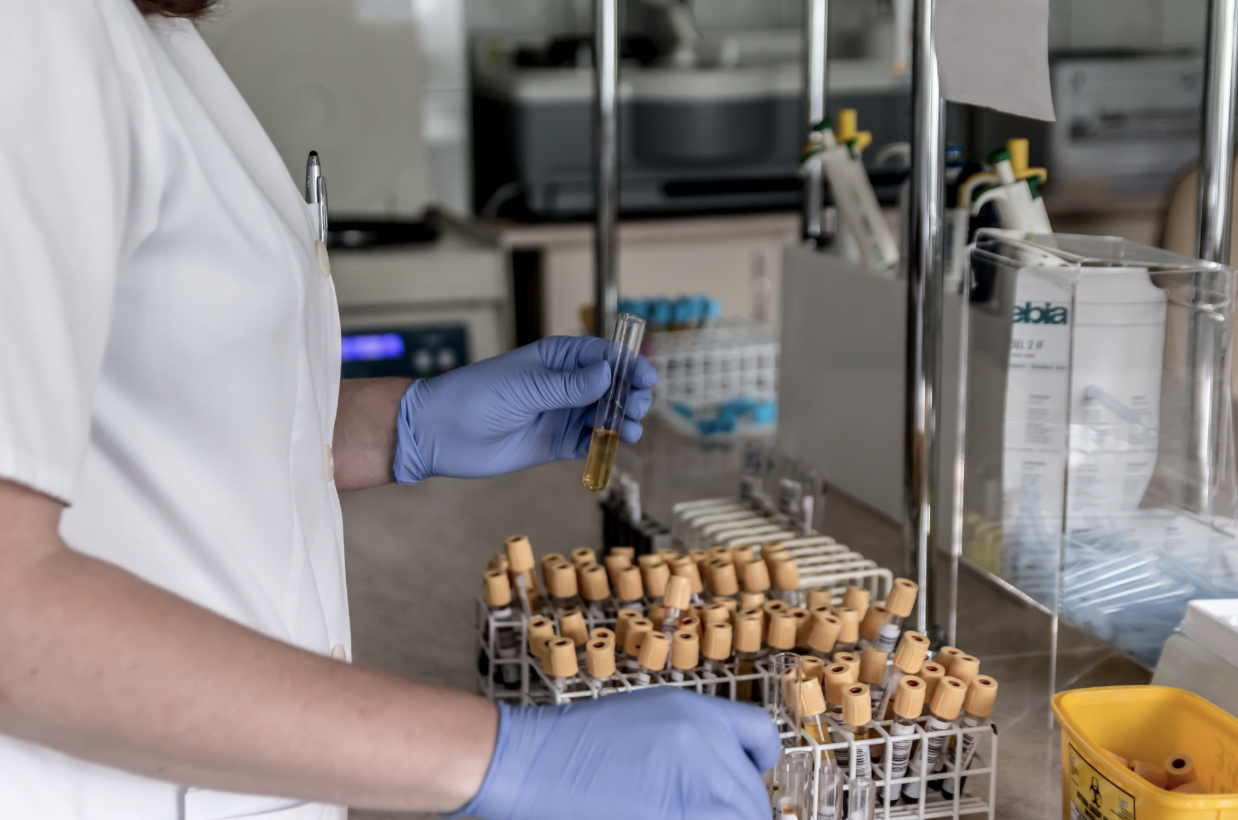
Many employers use urine testing. Urine tests commonly detect THC metabolites, which can linger for days (and sometimes longer) depending on use patterns, body composition, and the type of product used.
That means a positive test is not the same thing as proof of impairment at work. But many workplace policies treat any positive THC test as a policy violation anyway.
Different Test Types, Different Windows
Not all drug tests are the same. Some detect recent use more than others, and the detection window can vary widely.
Urine tests often reflect past exposure rather than “right now.” Saliva tests may reflect more recent use. Blood tests can be more time-sensitive, but they’re less common for routine workplace screening. Hair testing can reflect longer-term patterns.
The key takeaway is simple: a medical card doesn’t prevent detection, and “I used off-duty” doesn’t guarantee a negative result.
What Happens Right After A Positive Result
The first phase is usually procedural. Most workplaces follow a process before they take final action.
What that process looks like depends on whether you’re an applicant or an employee, and whether the test is pre-employment, random, post-accident, or for reasonable suspicion.
Screening vs Confirmation And The Review Step
Many testing programs use an initial screen and then confirm positives with a more specific confirmation test. In some settings, a Medical Review Officer (MRO) may be involved to review results and verify whether there is a legitimate medical explanation for a positive.
This is where many people assume a medical card will “fix it.” Sometimes the card helps you explain lawful use under state law. But in many workplaces, THC is still treated as a prohibited substance under policy, regardless of state medical status.
So the review step may confirm the result is accurate, but it may not prevent employer action.
What Employers Often Do Next
After a confirmed positive, employers commonly move into one of these paths:
- They pause or rescind a job offer for applicants.
- They remove an employee from duty while they investigate, especially in safety-sensitive roles.
- They schedule an HR meeting to review policy, explain next steps, or request documentation.
- They apply a zero-tolerance policy and move directly to discipline or termination.
It can feel personal, but it’s usually policy-driven. That’s why your first goal is to understand exactly what policy is being applied to you.
The Big Divider: Federal And DOT Rules
If your job is regulated by federal rules, this becomes much more straightforward, and much stricter.
In DOT-regulated testing programs, a medical marijuana card does not override a positive THC test. A positive is treated as a failed test under the federal testing framework. That can trigger removal from safety-sensitive duties and a formal return-to-duty process.
This is one of the most important “forks in the road” for your situation. If your role is DOT-regulated or otherwise tied to federal safety rules, you should assume the consequences will be serious and policy-driven.
Federal jobs and federal contractor environments can also operate under strict drug-free workplace expectations, especially when funding, contracts, or regulated safety duties are involved.
Safety-Sensitive Jobs And “Impaired At Work” Standards
Even outside DOT, many employers treat safety-sensitive roles differently.
These can include driving, operating machinery, working at heights, healthcare roles where patient safety is at issue, armed security, aviation-adjacent work, and jobs with hazardous materials. Even if your state has some protections for medical cannabis patients, employers often have broader authority to restrict cannabis use in safety-sensitive contexts.
Impairment Claims vs A Positive Test
A positive test does not prove you were impaired at work. But many workplace policies don’t require proof of impairment to take action.
Some workplaces separate “use” and “impairment.” Others treat any THC positive as a violation of a drug-free workplace policy. That’s why it’s critical to read the policy language and understand what standard your employer applies.
A practical guideline that protects you in almost any workplace: never use before work, never bring products to the workplace, and never assume “off-duty” use is automatically protected.
State Law And Employer Policy: Why Outcomes Vary So Much
State medical marijuana laws vary widely. Some states provide stronger employment protections for certain workers and situations. Others allow employers to enforce strict drug-free workplace rules, even for cardholders.
Even in states with protections, those protections often have exceptions. Common exceptions include on-duty impairment, safety-sensitive roles, and federal conflicts.
That’s why two people in two different states, or even two people at different companies in the same state, can have completely different outcomes after the same kind of test.
Pre-Employment vs Random vs Post-Accident Testing
The type of test matters. A pre-employment test can lead to a rescinded offer if the employer has a strict policy.
Random testing often triggers discipline under the employer’s internal rules, especially in safety-sensitive environments.
Post-accident or reasonable suspicion testing is often treated as higher stakes. Employers may assume greater risk and respond more aggressively, even if you insist you were not impaired.
If you’re trying to predict what will happen, start by identifying which category your test falls into. That single detail changes almost everything.
Florida And Pennsylvania Notes
Verileaf currently serves patients in Florida and Pennsylvania, so here are high-level, compliance-first expectations in those two states.
In Florida, many employers continue to enforce drug-free workplace or zero-tolerance policies. Safety-sensitive and post-incident situations are especially strict. If your workplace policy prohibits THC, a medical card may not prevent employment consequences.
In Pennsylvania, medical marijuana laws include language that can affect how employers handle cardholder status in certain scenarios, but that does not mean a positive test is automatically protected. Employers still commonly enforce policies around impairment, safety-sensitive duties, and workplace conduct. Pre-employment and on-the-job outcomes can differ significantly.
In both states, your best protection is clarity. Know your policy, understand your job category, and avoid assumptions based on what you’ve heard from friends or online.
Again, if you’re facing termination or you believe a policy was misapplied, a qualified employment attorney in your state can help you understand your options.
What To Do If You Fail A Drug Test With A Medical Card
When you’re blindsided by a positive test, it’s easy to panic and overshare. The better approach is calm, factual, and structured.
Step 1: Don’t Panic, Get The Facts
Ask what test was used, what the cutoff was, and whether a confirmation test was performed. Ask what policy the result is being evaluated under.
If you’re an applicant, ask whether this is disqualifying under the hiring policy or whether there is a review process.
If you’re an employee, ask what the next step is and whether you are being removed from duty temporarily or permanently.
Keep your tone neutral. You’re gathering information, not arguing your case yet.
Step 2: Gather Documentation Without Oversharing
If you have a medical marijuana card, keep your documentation organized and current.
This may include your active card status and any state registration confirmation. Some workplaces may ask for proof that you are legally authorized under state law.
Avoid giving your employer more medical detail than they request. Stick to what is necessary and relevant to the policy review.
If the situation escalates, save detailed explanations for a conversation with an attorney or a formal process where it’s appropriate.
Step 3: Decide Whether To Disclose And To Whom
Disclosure is not one-size-fits-all. In some situations, disclosing early to HR can help you be evaluated under whatever rules apply to cardholders in your state or company.
In other situations, especially if federal or DOT rules apply, disclosure will not change the outcome, and oversharing can complicate the process.
If you disclose, do it to HR, not to coworkers and not casually to a supervisor. Keep it professional, factual, and brief.
Step 4: Ask About Retesting Or Review Options
Some testing programs allow a review process, a split sample procedure, or a retest in certain circumstances.
You can ask whether there is a confirmation test, whether the test can be reviewed by an MRO, and what options exist if you believe a mistake occurred.
Be careful not to frame this as “my card makes it okay.” Instead, focus on process: what steps exist, what documentation they need, and what timeline applies.
Step 5: Consider Legal Advice If Your Job Is On The Line
If you are being terminated, if your offer is rescinded, or if you believe the policy is being applied unfairly, legal advice can be worth it.
This is especially true if your state has employment protections for certain medical cannabis situations, or if your role is not safety-sensitive and you were not impaired at work.
What Not To Do
Don’t assume your medical card makes cannabis use “protected” in every workplace.
Don’t argue emotionally in writing. Emails and texts can become part of a formal record.
Don’t rely on “CBD only” as a guarantee. Some products contain trace THC or are mislabeled, and some tests don’t care why THC is present.
Don’t drive or work impaired. Even in states with protections, on-duty impairment is a fast path to discipline.
A Quick Decision Guide
If you’re trying to predict what happens next, walk through these questions:
Are you in a DOT-regulated or federally regulated role? If yes, a THC positive is typically treated as a failed test regardless of state medical status.
Is your role safety-sensitive? If yes, employers often enforce stricter rules and can remove you from duty quickly.
Was this a pre-employment test? If yes, offers may be rescinded depending on policy and state law.
Was this post-accident or reasonable suspicion? If yes, employers often treat it as higher risk and respond more aggressively.
Are you in a state with stronger employment protections for medical cannabis patients, and were you using off-duty? If yes, you may have more options, but policy and exceptions still matter.
How Verileaf Fits In
Verileaf provides professional medical evaluations to determine whether an individual qualifies for a medical marijuana card based on applicable state guidelines. We do not issue prescriptions, and we do not control employer policies or workplace testing programs.
What we can do is support clarity. If you’re considering medical cannabis and you have concerns about testing, it’s wise to review your workplace policy before you start. If you’re already a patient, staying current on renewals and documentation keeps your records accurate and reduces avoidable complications.
If you need help understanding the medical card process in your state, our team is here for you. We offer 24/7 support, and you can chat live with our Online Cannabis Agents or email us anytime.
Get My Med Card Now
Renew My Med Card
For all inquiries, you can reach us at contact@buymedcard.com.
